
Best Material for Nameplates: Acrylic vs Metal (Which Should You Choose?)
This guide will help you decide the best material for nameplates by comparing acrylic vs metal nameplates using durability, finish, cost, and real-world uses to help you order the right custom nameplates.
3/31/20264 min read
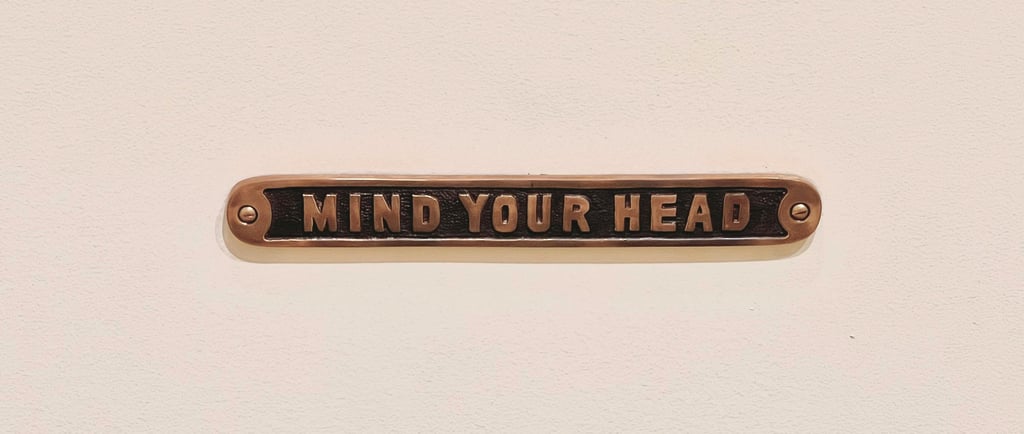

To choose the best material for nameplates, consider where you will use them. Think about how long they need to last and the look you want. This guide compares acrylic vs metal nameplates using durability, finish, cost, and real-world uses to help you order the right custom nameplates.
Quick Answer: Acrylic or Metal?
Choose acrylic nameplates for clean, modern, professional indoor spaces (desks, doors, offices).
Choose metal nameplates for long-term durability, industrial use, and outdoor exposure (equipment, machinery, and weather).
Both can be personalized nameplates—the difference is performance and feel.
Nameplate material options: What Really Matters
What do you really need to focus on when comparing the various nameplate material options? Let’s quickly go through the list:
Environment: Indoor/Outdoor Use, Exposure to Heat, Chemical Exposure, Exposure to Moisture
Wear and Tear: Abrasion Resistance, Impact Resistance, Cleaning Maintenance Needed
Legibility: Color Contrast, Finish, Glare
Aesthetics: High-End Metal Look, High-End Acrylic Look
Manufacturing Process: UV-printed nameplates, engraved nameplates
Acrylic Nameplates: The Way to Go for Modern Indoor Signage
Acrylic nameplates are the way to go when you want to provide your facility with the light weight of the product. They also look really good indoors.
Best uses for acrylic:
Office desk nameplates (acrylic) – Suitable for use in offices, especially for reception desks and executive desks.
Door nameplates (acrylic vs. metal)—Acrylic signs can be used as door signs, especially when the look is important but not the durability.
Acrylic nameplates for indoor use—The best spaces where an acrylic sign can be used include meetings, studios, clinics, and schools.
Pros:
Modern Look – The use of an acrylic sign is important because it has a modern look. This is because the material is transparent but can also be frosted or painted differently.
Branding—The use of an acrylic sign is important because the material is also suitable for branding.
Cons:
Scratches: Acrylic scratches more easily than metal. It is not a scratch-resistant material for nameplates.
Environment: It does not hold up well in harsh outdoor settings unless specifically treated.
Metal Nameplates: Best for Durability, Outdoors, and Industrial Use
Choose metal nameplates when you need signs that can withstand extreme weather and heavy use. They are your best option for tough environments. They are best used for equipment labeling and regulatory signs.
Best uses for metal:
Metal nameplates for industrial use where cleaning chemicals, friction, or heat are common
Best nameplate material for outdoors situations like building signage, gates, or exposed installations
Pros:
Strong, long-lasting, and premium feel
Better for weatherproof nameplates and outdoor nameplates materials
Excellent for laser-engraved metal nameplates and deep marking
Cons:
Typically more expensive than acrylic
Heavier and may require stronger mounting
Metal Types Compared: Aluminum vs Stainless Steel
Not all metals perform the same. Here is the practical breakdown:
Anodized Aluminum Nameplates (The Popular All-Rounder)
Anodized aluminum nameplates are a top choice when you want durability without the high cost or heavy weight of steel. Businesses use these for industrial tags and outdoor signs. They look professional and stand up to tough environments. They also work perfectly when you need to decide between an acrylic nameplate vs an aluminum nameplate. These are highly durable nameplates and resist rust, unlike steel.
Stainless Steel Nameplates (Premium and Toughest)
Choose stainless steel nameplates when you need the longest possible lifespan for your products.
Great for:
Harsh environments
Premium brand recognition
High wear resistance
These nameplates work perfectly when you want a tough, long-lasting finish.
Ideal for: When you want a long-lasting product with long-term resistance to corrosion and chemicals.
Ideal for: When you already have a metal nameplate with a laser engraving and want a permanent mark.
Engraved Nameplates vs. UV-Printed Nameplates: Which Marking Method Is Better?
Engraved nameplates are best when you require text that will not fade.
Best With: Aluminum, Stainless Steel
Perfect For: Serial Numbering, Compliance Labeling, Asset Tags
UV Printed Nameplates (best when you require color and brand flexibility)
Best with: Acrylic and coated metals.
Great for: Branded office signs, door plates, and decorative nameplates.
Acrylic vs. Metal Nameplates: Which should you choose?
1) Outdoors: Weather and Sun Exposure
Metal beats acrylic when you need nameplates to survive the weather. Anodized aluminum nameplates or stainless steel nameplates work best in these cases. Look for outdoor nameplate materials that can withstand corrosion and installation.
Recommended option: Anodized aluminum nameplates or stainless steel nameplates.
Also look for: Rust resistant nameplates.
2) Industrial: machinery, equipment, chemicals
As far as metal nameplates for machinery / equipment and metal nameplates for industrial use are concerned, durability and permanence are two main concerns.
Best pick: laser-engraved metal nameplates (aluminum or stainless steel)
3) Office and interiors: clean look, modern branding
Acrylic nameplates can be seen as more modern and cost-effective for offices, reception areas, desks, meeting rooms, and internal doors. It is a cost-effective choice for internal doors and professional branding.
Best pick: office desk nameplates (acrylic) and acrylic nameplates for indoor use
4) Doors: door nameplates acrylic vs metal for door signage
Indoor nameplates (acrylic vs metal) decisions:
Acrylic is ideal for modern offices and frequent branding updates.
Metal is better for high-traffic, long-term installations.
Are Metal Nameplates Scratch-Resistant Nameplates?
More durable nameplates are available, although some finishes are more suitable than others. For instance, a brushed finish on stainless steel can help conceal scratches more readily than a high-polish finish. Anodized finishes are available on some aluminum nameplates, which are resistant to scratches. If you need scratch-resistant nameplates, tell your supplier where they will be used (hands, keys, cleaning, or outdoor debris) so the finish and thickness can be selected accordingly.
Final Recommendation: Best Material for Nameplates
If your priority is a modern look and cost-effective branding for interiors, acrylic nameplates are hard to beat. If your priority is longevity, compliance, harsh environments, or exterior exposure, metal nameplates—especially anodized aluminum nameplates or stainless steel nameplates—are the best long-term choice. Either way, combining the right material with the right method (engraved nameplates or UV printed nameplates) ensures the best results.
Conclusion
Need help choosing the right option for your space or equipment? Order premium custom nameplates and personalized nameplates—from sleek acrylic to rugged engraved metal—at Stampare Productions. Request a quote and get nameplates made to last!
Frequently Asked Questions
1. What is the best material for nameplates: acrylic or metal?
Metal usually looks better for a premium, long-lasting style. Acrylic works great for modern interiors. It also offers a cost-effective choice for your signage.
2. Will an acrylic nameplate work for my needs?
Yes—it is lightweight, easily customized in color/clear finishes, and suitable for desk, door, and reception nameplates.
3. Are metal personalized nameplates better for outdoors?
Generally, yes. Metal handles heat, impact, and weather better. Use a proper coating or anodized finish to make it last.
4. What should be used for nameplates that require a luxurious appearance?
Metal nameplates stay elegant longer than plastics. They last a long time and keep their high-quality look.
5. Which costs less for personalized nameplates: acrylic or metal?
Acrylic usually costs less for most sizes. It is also cheaper for short runs. Metal costs more upfront. It is worth the price for better durability and brand impact.
Contact
Reach out for custom UV printing quotes
Phone
asif_lone@hotmail.com
+92 3335 5344 43
© 2025. All rights reserved.
Trust & Process: How It’s Made—From Order to Pickup